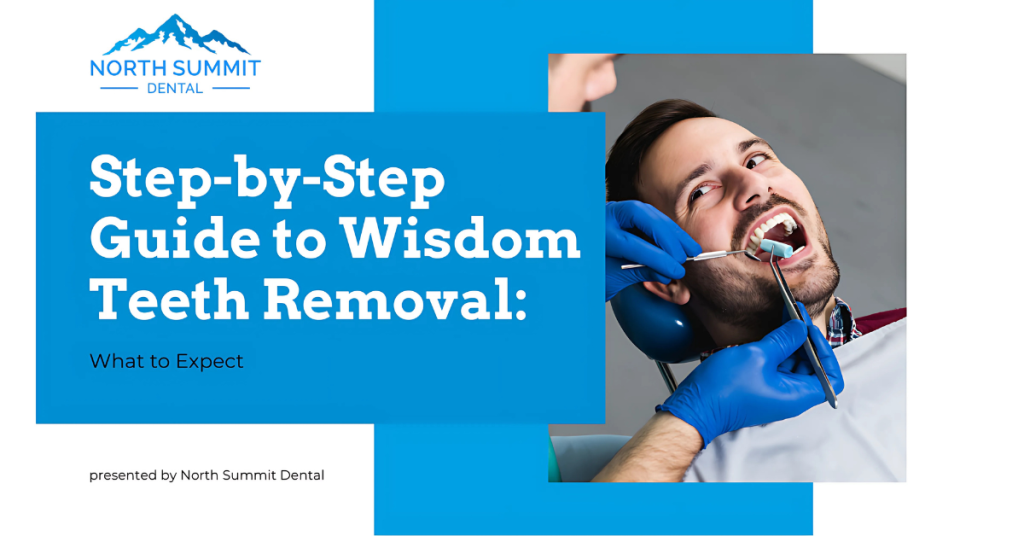
Removal of wisdom teeth is a relatively prevalent dental surgery that many have undergone, typically at some point in their late teens or early twenties. These are the final molars that erupt in the back of your mouth. While others have no issues with wisdom teeth, there will be discomfort, crowding, or infection in others. If your dentist in Burns Lake instructed you to get your wisdom teeth removed, this article will take you through the entire process from beginning to end.
Step 1: Talking to Your Dentist
The first step is scheduling a consultation with your dentist. During this visit, they will take an X-ray to find out how your wisdom teeth are aligned. Based on your symptoms and the photos, the dentist will make a decision on whether removal is ideal. They’ll also explain the procedure, what it involves, and all the risks involved.
Step 2: Pre-Procedure Instructions
Before the procedure, your dentist near you will provide guidance on preparing for it. This will include fasting before surgery for a few hours if you’re having sedation. You can also be advised to make provisions for transporting you home, especially if anesthesia or sedation is used.
Step 3: The Day of the Procedure
On the day of your wisdom teeth extraction in Burns Lake, the dentist or oral surgeon will begin by numbing the area around your teeth. Depending on your situation, they may also give you sedation to help you relax. Once you’re comfortable, they’ll remove the teeth. Sometimes, a small cut is made in the gums, and the tooth may be broken into smaller pieces to make removal easier. The process usually takes about 45 minutes to an hour.
Step 4: Right After Surgery
Once the procedure is complete, you’ll rest for a short time before heading home. You’ll receive gauze to help stop the bleeding and instructions on how to take care of your mouth. It’s important to follow these directions to avoid any complications. Swelling and mild pain are normal, but these symptoms should get better after a few days.
Step 5: Age and Timing Matter
When it comes to age considerations for tooth extraction, timing is important. Most people have their wisdom teeth removed between the ages of 17 and 25. At this age, the roots of the teeth aren’t fully developed, making the process easier and the recovery faster. Waiting too long can lead to more complications and a tougher healing process.
As you get older, the roots become more developed, and the teeth may be more firmly anchored in the bone, making extraction more difficult. Older patients may experience a longer recovery time due to changes in bone density and healing speed. Extracting wisdom teeth earlier can reduce the risk of impaction or overcrowding in the mouth. It’s better to consult with your dentist regularly to determine the ideal time for removal based on your circumstances.
Step 6: Healing at Home
The first few days after surgery are key to proper healing. You’ll want to rest, eat soft foods like yogurt and soup, and avoid using straws or smoking. These things can cause a painful condition called dry socket. Pain and swelling can be managed with the medication your dentist gives you. Make sure to stay hydrated and gently rinse your mouth with warm salt water after the first 24 hours. These wisdom teeth recovery tips will help you feel better faster.
- Avoid vigorous physical activity for the first few days to minimize swelling and prevent complications.
- Take your pain medication as directed to stay ahead of any discomfort.
- If you experience excessive pain, fever, or unusual swelling, contact your dentist for guidance.
Choosing the Right Care for Wisdom Tooth Removal
Planning to have your wisdom teeth removed? North Summit Dental in Burns Lake is here to support you every step of the way. Our team of dentists will guide you from consultation to recovery, answering your questions and helping you feel at ease. Ready to take the next step? Call North Summit Dental today—your comfort matters to us.