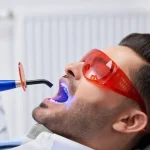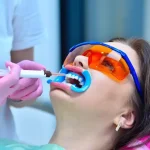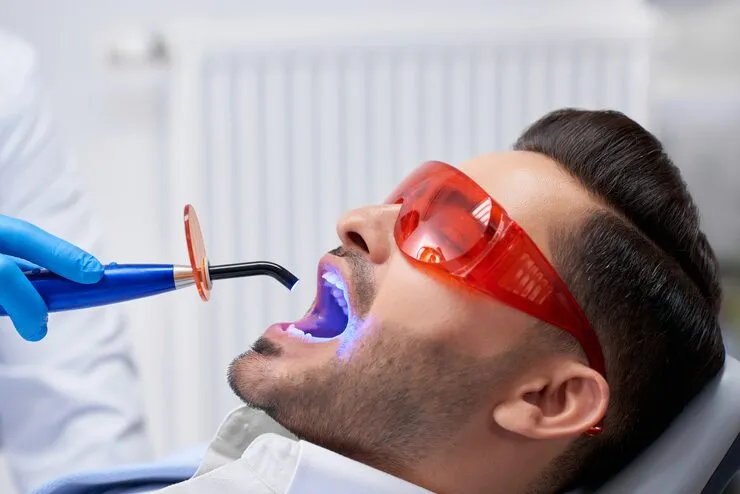
Dental treatments have improved over the years, giving patients more options for addressing common oral health problems. Laser dentistry uses focused light energy to treat certain conditions affecting the teeth and gums. Depending on the procedure, it may help reduce bleeding, limit damage to nearby tissues, and improve comfort during treatment.
If you are exploring laser dentistry in Burns Lake, understanding how the technology works can help you prepare for your appointment. Dental lasers are not suitable for every condition, but they can be useful for specific procedures involving soft tissues and, with appropriate equipment, hard tissues such as teeth.
What Is Laser Dentistry?
Laser dentistry uses a concentrated beam of light to remove, reshape, or treat specific areas of the mouth. Different lasers are designed for different purposes. Some work on soft tissues, such as the gums, while others can be used on hard tissues, including tooth structure.
Depending on the treatment, lasers may be used alongside traditional dental tools or as an alternative to certain techniques. Your dentist will examine your mouth and determine whether laser treatment is appropriate for your needs.
What Dental Problems Can Laser Dentistry Treat?
Laser technology can support several types of dental procedures. The treatment recommended depends on your symptoms, oral health, and the equipment available.
1. Gum Disease
Gum disease develops when plaque and bacteria build up around the teeth and gums. Early signs include red, swollen, or bleeding gums. If left untreated, the condition can damage the tissues supporting your teeth.
As part of laser dentistry for gum disease and tooth decay, certain dental lasers may help treat infected or inflamed gum tissues. Laser treatment does not replace the need for proper cleaning, plaque control, or other periodontal care. Your dentist will determine the most appropriate approach based on the severity of your gum disease.
2. Tooth Decay and Cavities
Tooth decay occurs when bacteria produce acids that gradually damage tooth enamel. If the decay progresses, a cavity may develop and require treatment.
Some hard-tissue dental lasers can remove decay and, in selected cases, prepare a tooth for a filling. However, lasers cannot replace traditional instruments for every cavity, and some teeth may still require conventional treatment. Early dental examinations help identify decay before it causes more extensive damage.
3. Gum Reshaping
Some patients have excess gum tissue or an uneven gumline that affects the appearance of their smile. In suitable cases, soft-tissue lasers can reshape the gums with precision.
The dentist first checks the health of your gums and the position of your teeth before recommending this procedure. Laser gum reshaping may improve the appearance of the gumline when it is clinically appropriate.
4. Certain Soft-Tissue Problems
Dental lasers may also be used for selected procedures involving soft tissues inside the mouth. These can include removing certain tissue growths or performing a frenectomy, which involves releasing a tight band of tissue connecting the lip or tongue to nearby structures.
The appropriate treatment depends on the type and location of the tissue concern. Your dentist may recommend further assessment when necessary.
What Are the Benefits of Laser Dentistry?
If you are searching for laser dentistry near you, understanding its potential benefits can help you feel more comfortable exploring this treatment option. Laser dentistry may offer several advantages for suitable procedures:
- Precision: Focused light allows treatment of specific areas.
- Less bleeding: Some lasers help seal small blood vessels during soft-tissue procedures.
- Potentially less discomfort: Certain procedures may cause less discomfort than conventional techniques.
- Reduced need for stitches: Some soft-tissue treatments may not require sutures.
- Recovery support: Less disruption to surrounding tissues may help recovery in selected cases.
Results vary depending on the procedure. Laser dentistry does not always eliminate the need for anaesthesia, traditional instruments, or follow-up care.
Is Laser Dentistry Right for You?
The best treatment depends on your dental condition, medical history, and the type of laser available. Your dentist may examine your teeth and gums, take X-rays when needed, and explain the benefits and limitations of different options.
If you are searching for a dentist in Burns Lake, arrange an examination to discuss your symptoms and learn which treatments may be suitable.
Book Your Dental Appointment Today
If you have concerns about your gums, cavities, or other dental problems, professional guidance can help you understand your options. North Summit Dental welcomes patients seeking dental care in Burns Lake. Contact our clinic to arrange an appointment and discuss whether laser dentistry may be suitable for your needs.
Get directions to North Summit Dental for professional dental care and to learn whether laser dentistry is suitable for your gum, tooth, or soft-tissue concerns.
Frequently Asked Questions
1. What dental problems can laser dentistry treat?
Laser dentistry may help treat selected cases of gum disease, tooth decay, uneven gumlines, and certain soft-tissue concerns. The available treatments depend on the type of laser and your dental needs.
2. Is laser dentistry effective for gum disease?
Laser treatment can help manage certain gum conditions when used appropriately. However, it may need to be combined with professional cleaning, improved oral hygiene, or other periodontal treatments.
3. Can laser dentistry treat tooth decay?
Yes, some hard-tissue lasers can remove decay in selected cases and prepare teeth for fillings. Traditional instruments may still be necessary for other cavities. Visiting a dental clinic near you can help you determine whether laser treatment is suitable for your needs.
4. How much does laser dentistry cost in Burns Lake?
The cost depends on the procedure, the extent of treatment, and your individual dental needs. Contact us for an assessment and a personalised cost estimate before beginning treatment.